

Published: 17 September 2026 | Estimated reading time: 6 minutes | Written by the Miri Mary team
What Is Tandoori? The Short Answer
Tandoori describes food cooked in a tandoor, a deep oven traditionally made of clay that holds very high heat. So tandoori is a cooking method rather than a single dish: chicken, paneer, vegetables, seafood and kebabs can cook on skewers, while breads such as naan bake against the oven wall. The flavour comes from the marinade, intense heat, smoke and char working together. A spice blend alone is not tandoori, and the same marinade cooked in a pan or a standard oven will not taste quite the same. Dishes cooked in a tandoor are not all alike; each depends on its own ingredients and preparation.
A tandoor reaches intense temperatures and cooks food using a combination of radiant heat, hot air and direct contact with the heated oven walls.
That is what creates the charred edges, smoky aroma and fast cooking associated with many tandoori dishes.
How Does a Tandoor Work?
The shape of a tandoor is one of the reasons it behaves differently from a standard household oven.
Heat rises through the enclosed chamber while the clay retains a large amount of energy.
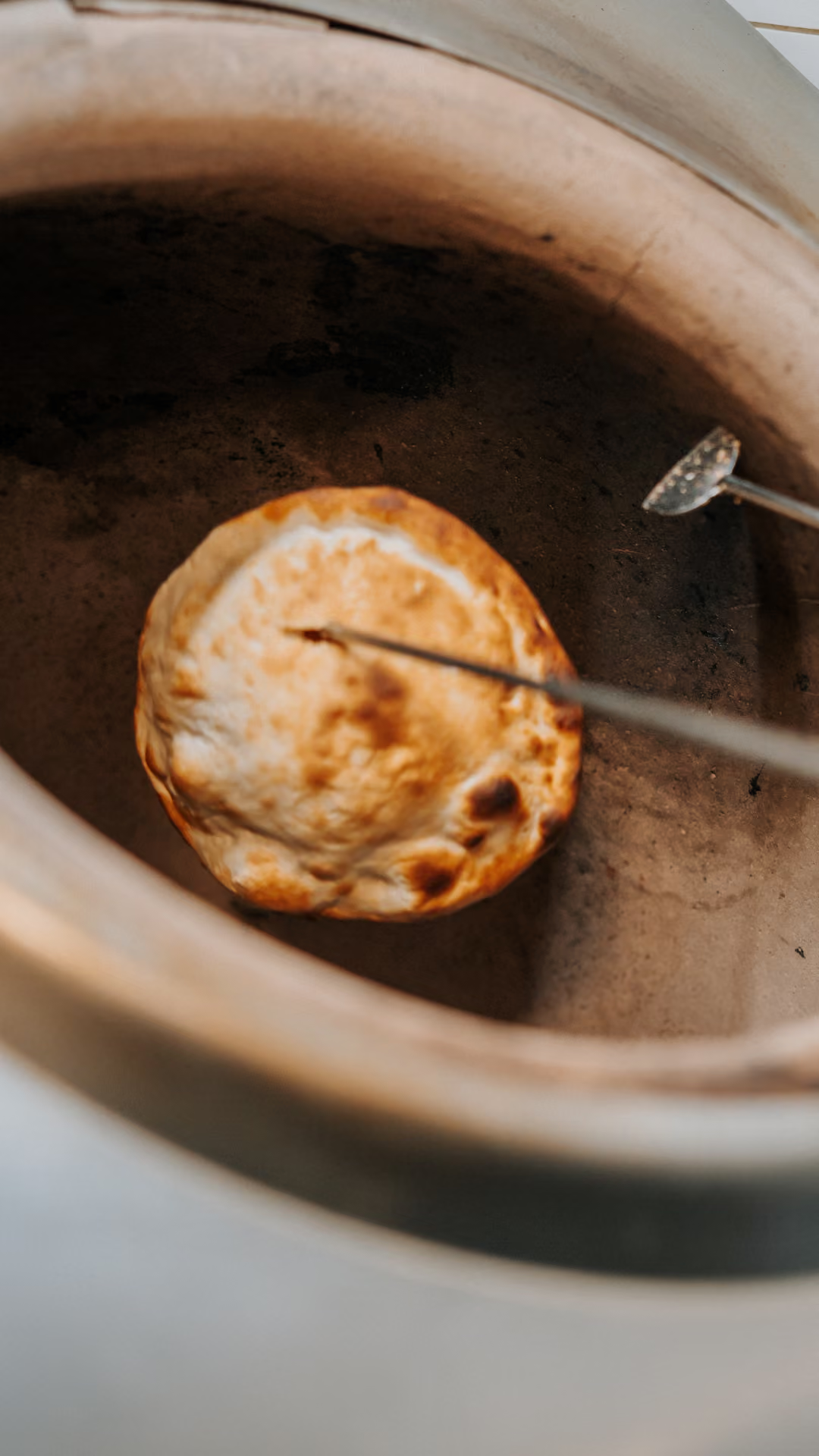
Meat and vegetables can be lowered into the oven on skewers, while breads can be pressed against the hot inner wall.
The result is rapid cooking at a high temperature. This helps create colour and char on the outside while retaining moisture inside when the food is prepared correctly.
Does Tandoori Mean Spicy?
Not necessarily.
A tandoori preparation can include chilli, but heat from chilli and heat from the oven are two different things.
Many marinades use ingredients such as yoghurt, spices, ginger, garlic or citrus, but recipes vary widely between dishes and regions.
A tandoori dish may therefore be mild and aromatic, peppery, smoky or strongly spiced, depending on how it has been prepared.
Why Does Tandoori Food Taste Smoky?
Part of the character comes from the extremely hot cooking environment.
Marinades and natural juices meet intense heat, surfaces brown quickly and edges can develop small areas of char.
This combination produces a flavour that is difficult to recreate exactly in a low-temperature oven or frying pan.
The smoke should support the seasoning rather than cover it.
Tandoori Chicken Is a Technique, Not Just a Dish
Tandoori chicken is probably the best-known example internationally, but the technique is much broader than chicken.
Vegetables, paneer, seafood, kebabs and breads can all interact with the tandoor differently.
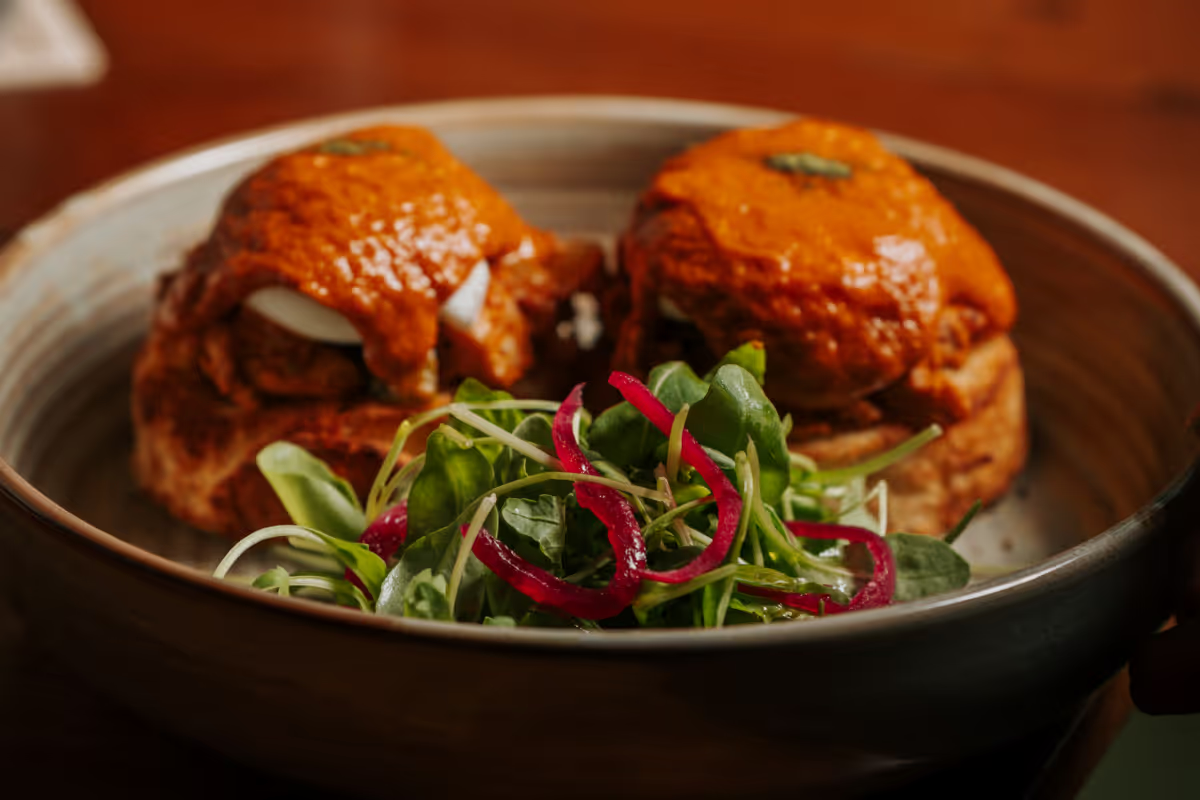
At Miri Mary, Miri’s Spiced Chicken begins with tandoor-grilled chicken before it meets its Andhra-inspired black-pepper and tomato flavours.
The current Butter Chicken also uses tandoori chicken before it is brought into its buttery tomato and fenugreek sauce.
These two dishes show how the same cooking technique can lead in very different directions.
What About Naan and Roti?
Bread is another important part of understanding the tandoor.
Unlike food suspended on skewers, flatbreads can be placed directly against the hot wall of the oven.
The intense surface heat helps create the blistered areas and uneven texture people associate with freshly cooked tandoor breads.
Miri Mary’s current menu includes naan as well as Whole Wheat Tandoori Roti.
Is Everything Charred in a Tandoor?
No. Good tandoori cooking is not about burning the outside.
The goal is controlled high heat.
Small areas of char can add bitterness, smoke and contrast, but the food should still retain the flavour of its seasoning and main ingredient.
This balance is one reason temperature and timing matter so much.
How to Try Tandoori Cooking at Miri Mary
If you are exploring the technique for the first time, it helps to order it alongside something cooked very differently.
A tandoor-cooked or grilled plate served alongside lentils, curry, rice or a crisp smaller dish makes the difference in texture more obvious.
At Miri Mary, a contemporary Indian restaurant in De Pijp, this technique is part of the dinner experience and appears in Indian sharing plates designed to be enjoyed alongside curries, lentils, rice and breads.
See the current Miri Mary menu to discover what is available now.
You can also learn more about how Miri Mary approaches spice and flavour in our guide to Miri Mary’s flavours.
Frequently Asked Questions
What is tandoori cooking?
Tandoori cooking is the technique of cooking food inside a very hot tandoor oven. Meat, vegetables and kebabs are commonly cooked on skewers, while breads can be cooked against the oven wall.
Is tandoori food always red?
No. Its colour depends on the ingredients and marinade. Tandoori describes the cooking method, not a required colour.
Is tandoori food always spicy?
No. Some dishes contain chilli, while others focus more on smoke, aromatics, yoghurt, spices or herbs.
What is the difference between tandoori chicken and Butter Chicken?
Tandoori chicken refers to chicken cooked using the tandoor technique. Butter Chicken combines cooked chicken with a rich tomato, butter and fenugreek-based sauce. At Miri Mary, the current Butter Chicken uses tandoori chicken.
Explore the Menu
About this guide
This guide was written by the Miri Mary team using current menu examples to explain how tandoor cooking appears in the restaurant. Menu dishes can change, so check the live menu before visiting.
Taste the Technique at the Table
Explore tandoor cooking alongside curries, vegetables, lentils and Indian sharing plates in De Pijp.
Explore Dinner →