
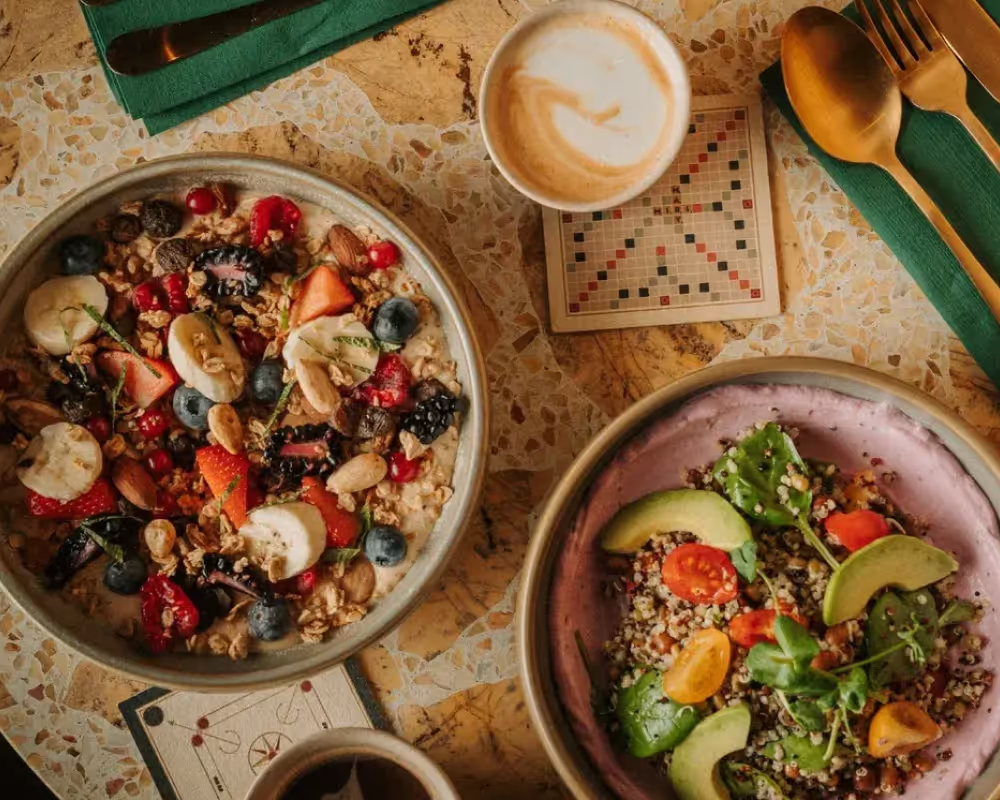
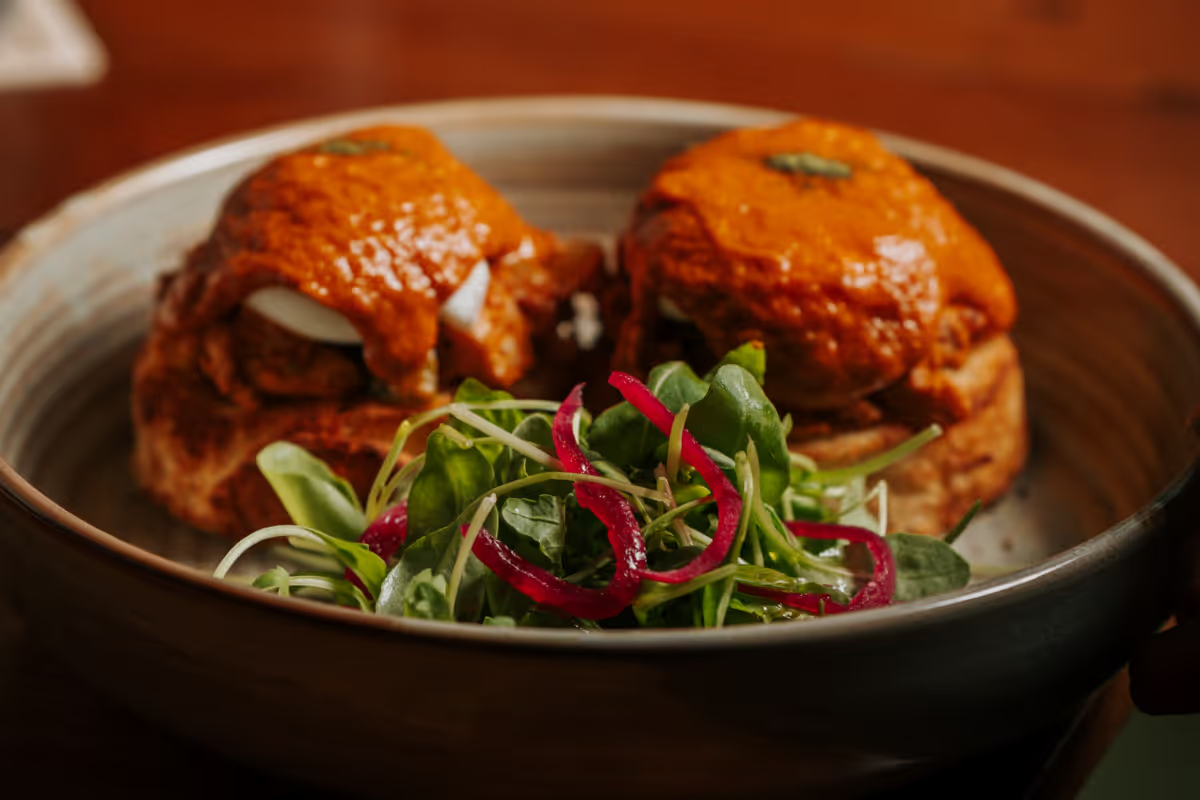
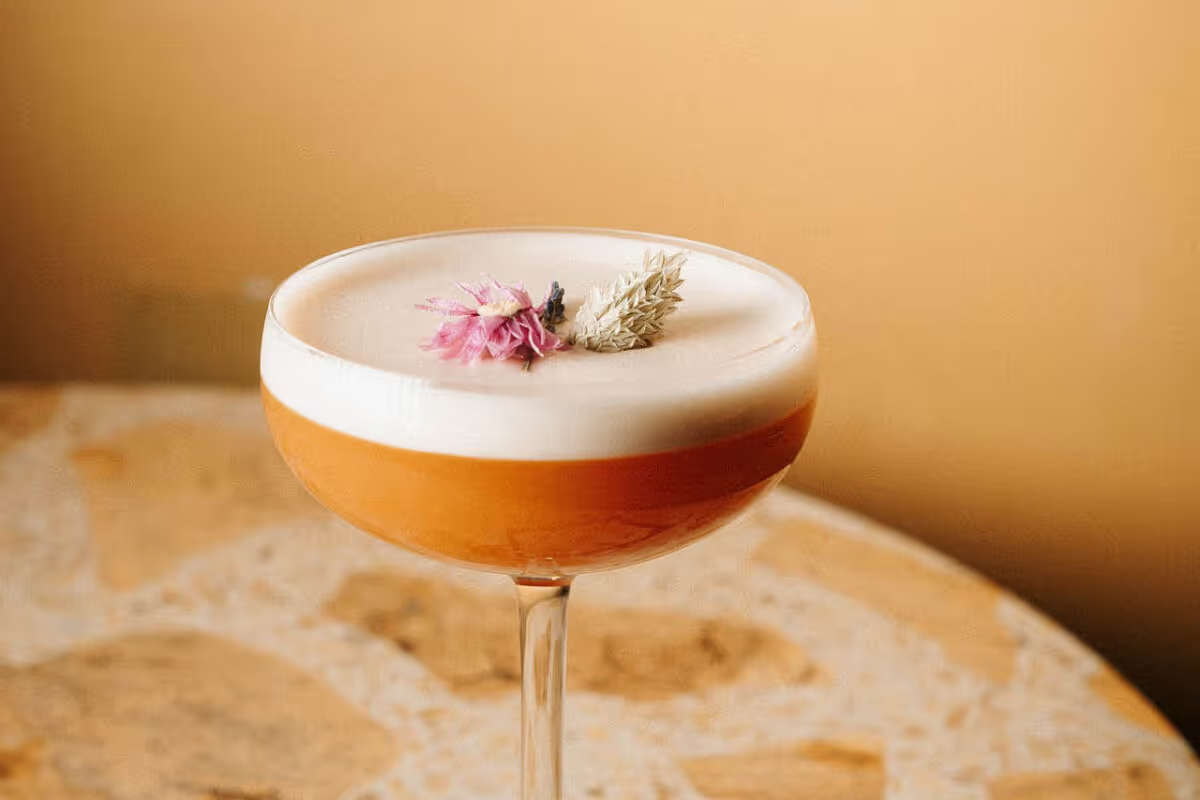

Indian food is often associated with a long dinner: several dishes, breads, rice and plenty of time around the table. But many of the things that make Indian food enjoyable at dinner can also make it especially well suited to lunch — provided the meal is ordered with a little balance.
A good midday meal should satisfy you without taking over the rest of the afternoon. That usually means choosing contrast rather than simply ordering more: something fresh alongside something rich, vegetables alongside protein, and enough bread or rice to bring the meal together without making every dish feel heavy. If you're planning a daytime visit to Miri Mary, the current brunch and lunch menu is the best place to check today's offering and service details.
Why Indian Food Can Work Surprisingly Well at Lunch
Indian cooking is broad enough that lunch does not have to mean a large curry with rice. Across different regions and styles of cooking, a meal might include grilled ingredients, lentils, vegetables, yogurt, pickles, chutneys, breads and smaller dishes with very different textures.
That variety is useful at midday because you can build the meal around how hungry you actually are. A table can begin with a few dishes, share everything and add something later if needed instead of deciding on a large individual main course at the start. Our guide to Indian sharing plates at lunch goes deeper into how this style of ordering works.
Sharing also creates natural portion control. You may want a few bites of a richer dish without eating an entire portion yourself. At the same time, a vegetable-led dish, something acidic or a fresh condiment can keep the meal interesting without adding much weight.
The Most Useful Rule: Order for Contrast
One of the easiest mistakes when ordering Indian food is choosing several dishes that perform the same role. Three rich, creamy dishes may all sound appealing separately, but together they can make a lunch feel much heavier than expected.
A more balanced table usually combines different types of food. Think less about ordering the largest possible spread and more about creating contrast between the dishes.
A simple way to build the table
- One richer dish: something creamy, slow-cooked or deeply spiced.
- One vegetable-led dish: for texture and a different kind of flavour.
- Something fresh or sharp: yogurt, chutney, pickles, herbs or another acidic element.
- A starch only where it helps: bread or rice should support the dishes rather than automatically doubling the size of the meal.
This approach is useful well beyond Indian food. A satisfying lunch often comes from variation in temperature, texture, richness and acidity rather than sheer quantity.
How Much Should You Order?
There is no universal formula because dish size varies from restaurant to restaurant, but one principle helps: start slightly smaller than you think you need.
For two people, begin with a small mix of contrasting dishes rather than trying to cover every part of the menu. For three or four people, sharing becomes even easier because each person can taste several things without needing a large amount of each dish.
If the table is still hungry after the first round, ordering one more dish is simple. The reverse is harder: once too much food is on the table, the meal can quickly become heavier and longer than intended. For a more practical look at what a daytime meal at the restaurant involves, see our Amsterdam lunch guide.
Bread, Rice or Both?
Bread and rice are not interchangeable, but you also do not necessarily need both at lunch.
Bread works particularly well when the meal includes dishes with sauces that are enjoyable to scoop and share. Rice can be useful when you want something neutral alongside strongly flavoured dishes or when the table is sharing a larger selection.
Ordering both can make sense for a larger group. For a smaller lunch, however, choosing one first and adding the other only if needed is often enough.
Vegetarian Food Makes the Table More Interesting
Vegetarian dishes should not be treated only as alternatives for the person at the table who does not eat meat. Indian cooking has a particularly deep tradition of vegetable, pulse and dairy-based dishes, and they can provide some of the most useful contrast in a shared lunch.
A vegetable dish beside something richer can change the rhythm of the entire meal. Lentils bring another texture; yogurt can cool spice; pickles and chutneys can sharpen flavours. Even at a table where everyone eats meat, including one or two vegetarian dishes usually makes the overall meal more varied.
Think About What You're Doing After Lunch
The best lunch is partly determined by what comes next.
If lunch is followed by a long afternoon of walking, shopping or sightseeing, a balanced meal with fewer heavy dishes may make more sense than a full dinner-style spread. If lunch itself is the main event — a long catch-up with friends or a relaxed weekend meal — there is more room to order gradually and stay at the table.
This is particularly relevant in De Pijp, where a meal can easily sit between other plans. Albert Cuyp Market, Sarphatipark and the surrounding streets are all the kind of places people explore on foot, so lunch does not necessarily need to be the end of the day. If the market is part of your plans, our guide to lunch near Albert Cuyp Market is a more location-focused read.
Lunch Doesn't Need to Be Dinner at an Earlier Hour
Perhaps the strongest case for Indian food at lunch is that the cuisine gives you enough variety to build a meal differently from dinner.
You can eat lightly without making the meal boring. You can share several flavours without ordering enormous portions. And you can make lunch social without committing the whole afternoon to the table.
At Miri Mary, that thinking also shapes the daytime experience: dishes are suited to sharing and the table can decide its own pace. But the same principle applies wherever you eat — choose contrast, start with less and let appetite decide what comes next.
If you're comparing daytime and evening plans, the dinner experience at Miri Mary has a different rhythm, while the drinks menu is useful if cocktails are part of the occasion.
Explore More at Miri Mary
- Brunch & Lunch — current daytime service, menu information and booking.
- A Guide to Lunch at Miri Mary — practical details on the restaurant, location and what to expect.
- How Indian Sharing Plates Work at Lunch — a deeper look at ordering and sharing a meal.
- Lunch Near Albert Cuyp Market — useful if you're planning lunch around a visit to the market.
- Dinner at Miri Mary — explore the restaurant's evening experience.
- Cocktails & Drinks — cocktails, non-alcoholic options and other drinks.
- Private Dining & Events — useful for larger groups, celebrations and private occasions.
About this guide
This guide was written by the Miri Mary team to share a more useful way of thinking about Indian food at lunchtime. Miri Mary is located at Van der Helstplein 15H in De Pijp, Amsterdam.
Ready to Try Lunch, Miri Mary Style?
See the current daytime menu, opening hours and booking options for brunch and lunch in De Pijp.
See the Brunch & Lunch Menu →The personality of Amsterdam. The soul of India. Miri Mary.
For location details and practical neighbourhood information, explore Miri Mary in De Pijp.


%202.avif)