
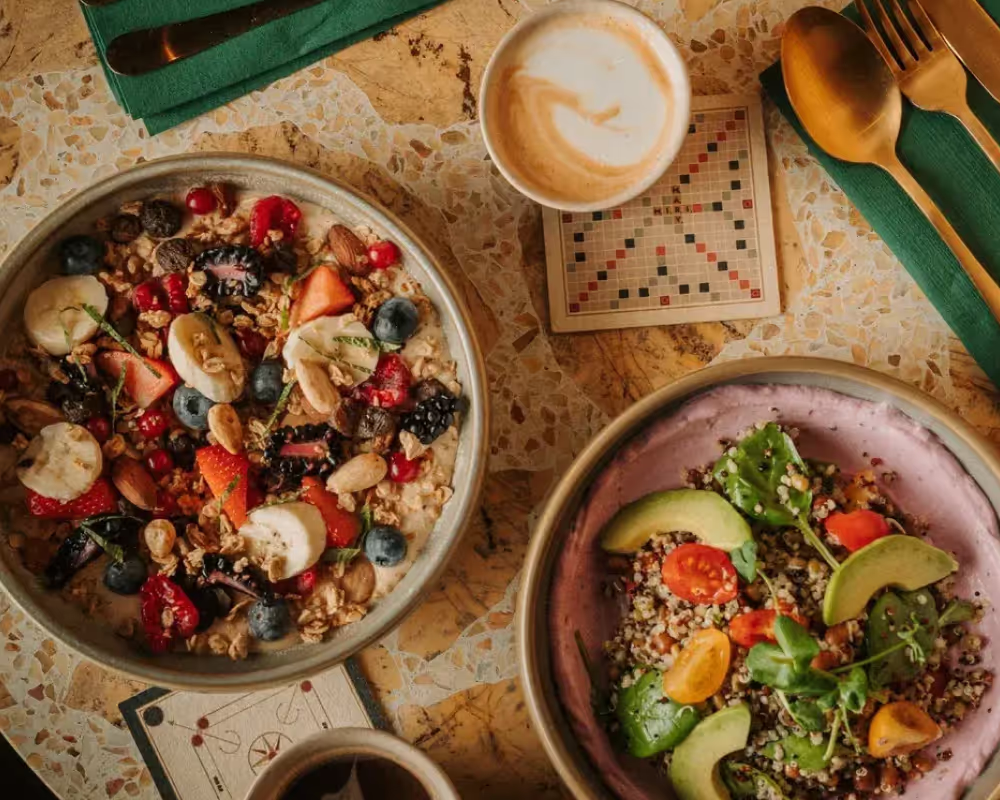
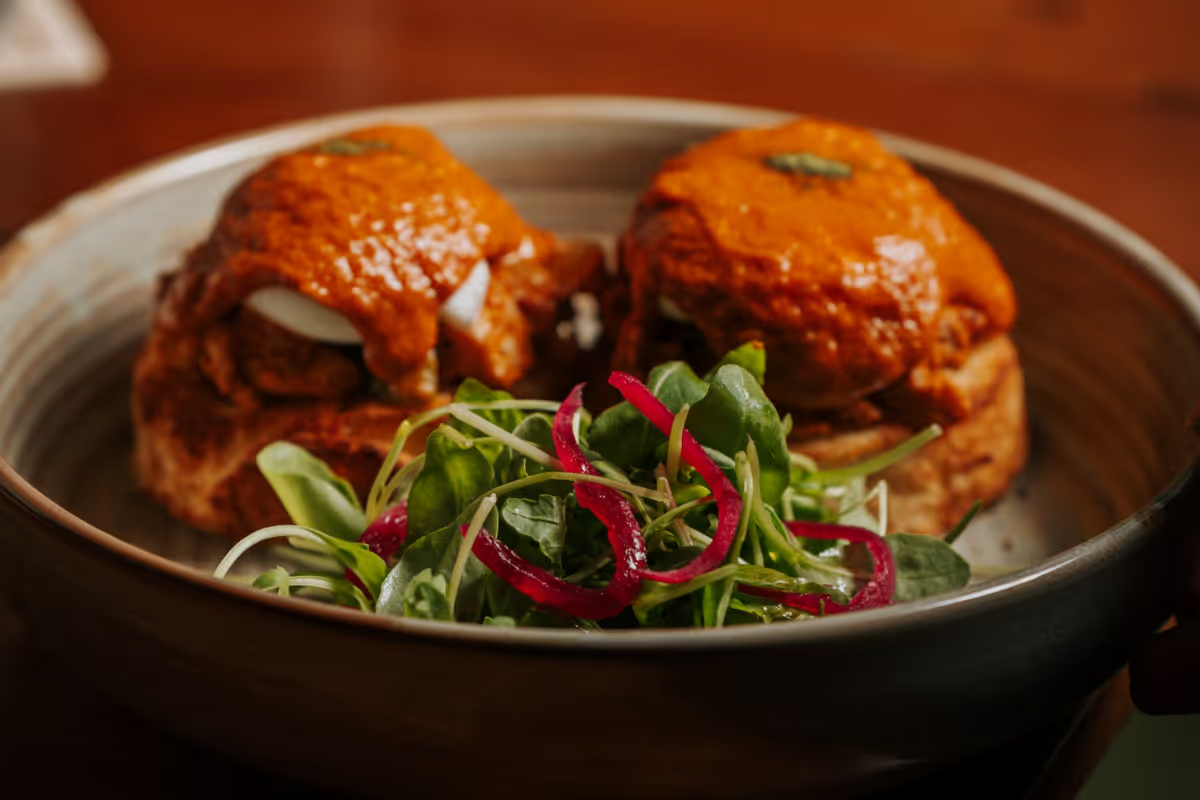


Indian sharing plates are dishes ordered for the table rather than assigned to one person. Guests take portions onto their own plates, so lunch can include several preparations without everyone choosing a separate main course.
Sharing does not mean every dish is small, everyone must eat everything or the whole order must be communal. Agree which dishes are for the table and which someone would prefer to keep as their own.
At Miri Mary in De Pijp, check the current menu for available dishes. The Brunch & Lunch page has the current daytime service details.
What Makes a Dish a Sharing Plate?
Sharing describes how a dish is eaten, rather than one particular recipe. Food placed in the centre of the table can be divided between guests instead of becoming one person's complete meal.
A shared dish is not necessarily a tasting portion. Serving sizes depend on the preparation, so ask the team how the dishes you are considering are intended to be shared. This is more useful than assuming that one plate always serves a fixed number of people.
Agree What Is Shared Before Ordering
A quick conversation helps avoid confusion when the food arrives. Ask which dishes everyone wants to try, whether anyone prefers an individual plate and whether any ingredients need to be avoided.
Make those choices clear when ordering. Guests can enjoy the same lunch without having identical tastes or sharing every dish.
How to Eat From a Shared Table
Take a portion onto your own plate and leave enough for the others who want to try the dish. Pass dishes within easy reach rather than stretching across another guest's place setting.
Use serving utensils where provided. For dishes with separate pieces, give everyone who wants one the opportunity before taking another. With sauces or softer preparations, begin with a modest serving and return for more once the dish has gone around.
If a preparation is unfamiliar or difficult to divide, ask the team how to eat it with its accompaniments. You do not need to recognise every dish name before enjoying the meal.
When Some Dishes Need to Stay Separate
A preference and an allergy need different conversations. Someone may simply prefer not to share a dish, while an allergy can require precautions around ingredients, utensils and cross-contact.
Tell the restaurant team about allergies before ordering and ask whether shared service is suitable. Keeping a dish at the other end of the table does not by itself establish that the meal is safe for that guest.
Vegetarian and vegan labels also mean different things. For ingredient questions, read our vegan and vegetarian Indian food guide, then confirm current suitability directly with the team.
Choosing the Food for Your Table
This guide explains the sharing format. For help combining daytime dishes, see how to build a balanced shared brunch table.
For an evening visit, the separate dinner ordering guide for two, four or six-plus guests covers that service. Its dinner examples and group arrangements should not be assumed to apply at lunch.
About this guide
This article explains shared-table dining for guests planning lunch at Miri Mary, Van der Helstplein 15H in De Pijp, Amsterdam. Serving guidance is general advice, not a fixed menu or a promise that every dish can be divided or adapted. The live menu and restaurant team are the sources for current dishes, portions and dietary suitability; check the Brunch & Lunch page for service and reservation details.
Plan Your Shared Lunch
Browse the current dishes, agree what you would like to share and ask the team about portions before ordering.
View the Menu →

%202.avif)