
Ordering Indian sharing plates works differently from choosing one starter and one main per person. Instead of building the meal around individual courses, the table is built around contrast.
That means thinking about texture, spice, richness and how each dish works with the others. A good sharing dinner should give the table variety without making every plate compete for attention.
Quick answer
Start with fewer dishes than you think you need. Combine different textures and flavour profiles, include at least one vegetable- or lentil-led dish, add bread or rice where it makes sense, and order another round only after the first dishes have arrived.
Sharing Plates Are Not Just Smaller Starters
The biggest difference between a sharing dinner and a traditional starter-and-main meal is that the dishes are meant to interact.
One person does not need to stay with a single plate. A crisp bite can be followed by something smoky, then something creamy, then something fresher or more vegetable-led.
This is why ordering several similar dishes rarely works as well as ordering dishes with contrast. The goal is not to cover every section of the menu. It is to create enough variety for each bite to feel different from the one before it.
Start With Contrast, Not Quantity
A common mistake is ordering too many dishes immediately because each plate looks small on its own. That can lead to a crowded table and several dishes with similar flavours arriving at once.
A better starting point is to think in categories.
- Something crisp for texture.
- Something grilled or smoky for depth.
- A vegetable-led dish to stop the meal becoming too heavy.
- A lentil or slower-cooked dish for warmth and richness.
- A saucier dish if the table wants something more comforting.
You do not need one of every category. Think of these as tools for building balance rather than a checklist that must be completed.
Check the current menu before visiting, since individual dishes can change.
Balance Crisp and Grilled Dishes With Softer Ones
Texture matters as much as flavour. If the first few dishes are all fried or crisp, the meal can start to feel repetitive even if the seasonings are different.
A crisp dish works better when it is followed by something softer or saucier. Likewise, a grilled dish with char or smokiness can benefit from being paired with lentils, vegetables or a curry-style dish with a different texture.
The aim is to avoid a table where every plate feels either dry and crisp or soft and rich. Moving between textures keeps the meal more interesting.
Do Not Make Every Dish Rich
Richness is useful when it gives the dinner a centre, but too many rich dishes can make the meal feel heavy very quickly.
If the table orders something creamy or butter-led, balance it with vegetables, lentils, a grilled plate or something with more acidity and freshness.
At Miri Mary, for example, a richer dish such as Butter Chicken does not need to be surrounded by several other equally rich dishes. Something vegetable-led or a plate such as Smoked Black Lentils can give the table a different rhythm.
Manage Different Spice Preferences at the Same Table
A sharing dinner does not require everyone to enjoy the same level of heat. It is often better to order dishes with different spice profiles rather than making every dish hot.
That gives guests who enjoy more chilli something to return to, while milder dishes create breathing room for everyone else.
Bread, rice, lentils and vegetable dishes can also soften the overall effect of a hotter plate without changing the dish itself.
Spice is only one part of flavour. Smoke, acidity, sweetness, coconut, herbs and texture can all make a dish feel intense without necessarily making it hotter.
Bread or Rice: Choose Based on the Table
It is easy to order both bread and rice automatically, but they do slightly different jobs.
Bread works especially well with thicker sauces and grilled dishes because it can be torn, shared and used to pick up smaller amounts of sauce.
Rice is more useful when the table has several saucier dishes or when guests want a more neutral base between stronger flavours.
Ordering both is completely fine when the table will use both. The mistake is adding large amounts of bread and rice before knowing how much the group actually needs.
Start small. More can always be added.
Order in Stages Instead of Filling the Table Immediately
Sharing plates are easier to enjoy when they arrive with some breathing room. Ordering everything at once can make the meal feel rushed and makes it harder to notice which flavours or textures are missing.
Start with a first round that gives the table contrast. Once those dishes have arrived, ask:
- Do we need something fresher?
- Do we want something richer?
- Is there enough vegetable or lentil content?
- Do we actually need more bread or rice?
- Are we still hungry?
That second decision is usually easier than trying to predict the entire meal before the first dish reaches the table.
Use Drinks to Refresh the Palate
A drink does not need to match every individual dish. Its most useful role during a sharing dinner is often to refresh the palate between stronger flavours.
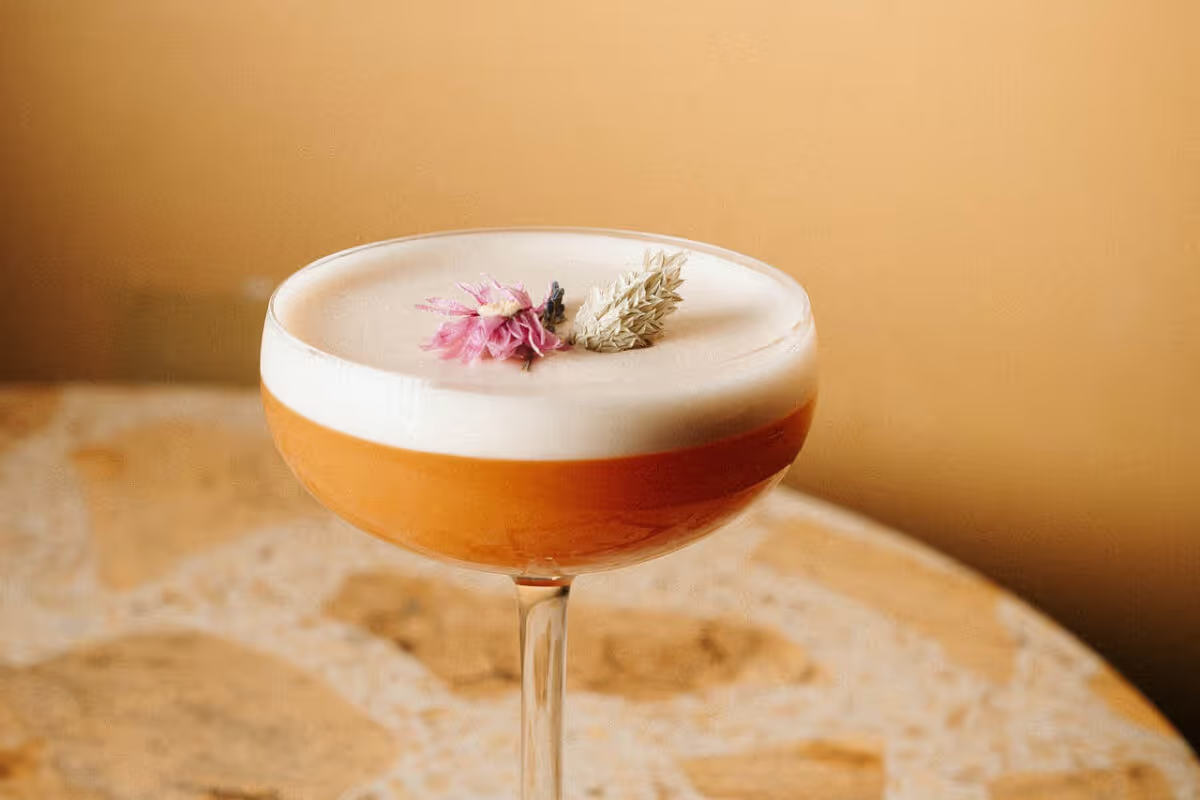
Drinks with acidity, citrus, fruit, ginger or other fresh elements can work particularly well when the table contains richer, smoky or spicy dishes.
The same principle applies to alcohol-free drinks. The important question is whether the drink gives the palate a break rather than adding another heavy flavour to the meal.
The current drinks menu shows the available cocktail and alcohol-free options.
Common Mistakes When Ordering Indian Sharing Plates
Ordering too many rich dishes
Creamy, buttery and slow-cooked dishes can work beautifully together, but the meal usually needs vegetables, lentils, grilled food or something fresher to create contrast.
Choosing too many similar textures
Four crisp dishes may all taste different, but the meal can still feel repetitive. Mix crisp, grilled, soft and saucy textures where possible.
Ordering everything at once
It is easier to add another dish than to deal with too much food. A first round followed by a smaller second order usually gives the table better control.
Automatically ordering both bread and rice
Look at the dishes first. A table with several sauces may need rice, while grilled dishes and thicker curries may work well with bread. There is no rule saying every dinner needs large portions of both.
Assuming everything needs to be equally spicy
Variation is useful. One hotter dish can be balanced by milder dishes rather than making every plate compete at the same spice level.
A Simple Formula for the Table
Before ordering, think about:
- At least two different textures
- A mix of richer and lighter dishes
- At least one vegetable- or lentil-led element
- Different spice levels where useful
- Bread or rice based on the sauces and grilled dishes
- A smaller first order with room to add more
There is no perfect number of dishes. A balanced sharing dinner is less about counting plates and more about making sure the table does not lean too heavily in one direction.
Frequently Asked Questions
How many types of dishes should a balanced Indian sharing dinner include?
There is no fixed number. Aim for contrast instead: something crisp or grilled, a vegetable or lentil dish, something richer, and bread or rice where useful. You can add another dish later if the table still needs it.
Should you order bread and rice together?
Not always. Bread works well with thicker sauces and grilled dishes, while rice is useful with saucier dishes. Ordering both can make sense, but start with an amount the table is likely to finish.
How do you avoid over-ordering sharing plates?
Begin with fewer dishes than you think you need, eat the first round and then decide what is missing. Adding one more dish is easier than trying to manage a table that is already overcrowded.
About this guide
This guide is designed to help guests understand how to balance and pace an Indian sharing dinner. Individual dishes can change, so check the current Miri Mary menu before deciding what to order.
See the Current Dinner Menu
Use the live menu to build your table around contrast, balance and the dishes available today.
Explore Dinner →

%202.avif)