
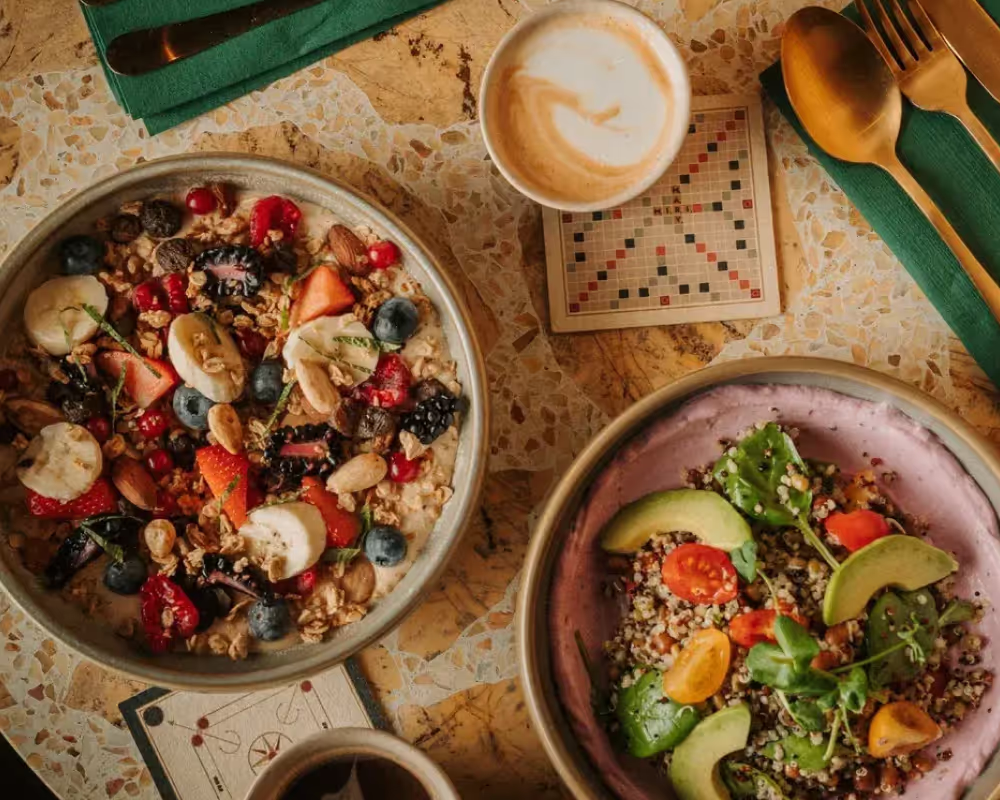
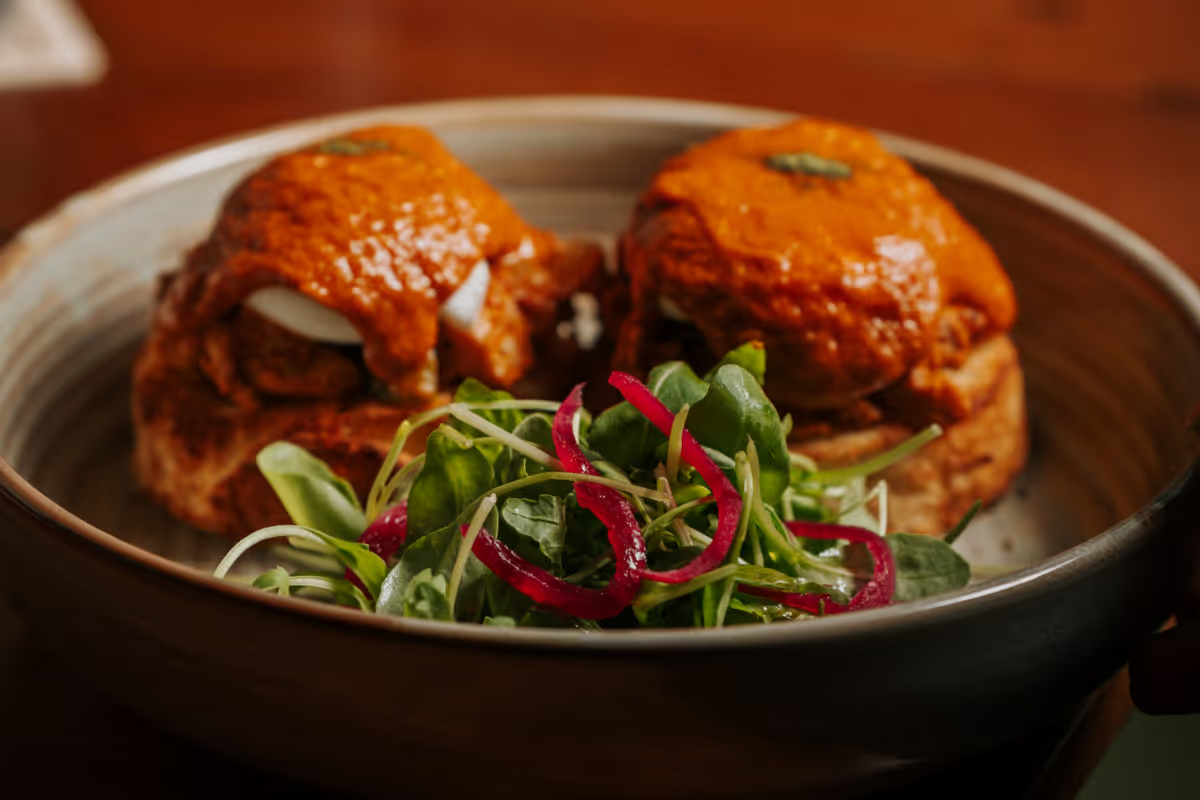


Authenticity is one of the most debated words in restaurant culture. Diners often use it to mean “traditional,” but Indian food has never been one fixed cuisine. It reflects regional agriculture, religion, migration, trade, family habits and individual cooks. A Punjabi preparation, a coastal Goan dish and a Tamil recipe may use completely different ingredients and techniques while each remains rooted in a genuine food tradition. For that reason, an authentic Indian restaurant cannot be judged by whether every plate matches one familiar version.
A better question is whether the restaurant understands what it is cooking and communicates that honestly. Does the menu identify regional influences? Do the flavours and textures show control of the underlying technique? Are adaptations made for a clear culinary reason rather than simply to look fashionable? Modern presentation, Dutch seasonal produce or an unexpected pairing can still respect Indian food when the idea has context. At Miri Mary, the goal is not to reproduce a single idea of India, but to bring regional memories and contemporary Amsterdam dining together in a way that feels considered.
Regional Context Matters
Labels such as North Indian and South Indian are useful introductions, but they cover enormous internal differences. Wheat, dairy and tandoor cooking may be prominent in some northern traditions, while rice, lentils, coconut, tamarind and fermented batters shape many southern dishes. Along India’s coast, seafood and souring agents respond to local geography. Elsewhere, millet, mustard, smoked ingredients, forest produce or particular pulses play a stronger role. Even within one state, everyday home cooking can differ from festive food or restaurant cooking.
A thoughtful menu does not need to explain an entire culinary history beside every dish, but it should give diners enough context to understand what they are ordering. Naming a region, technique or central ingredient is more useful than describing everything as a “traditional curry.” It also helps explain why a dish may differ from the version a guest already knows. Difference is not automatically inauthentic: it can come from another community, household, season or chef. Honest regional context turns that difference into something diners can appreciate instead of treating one recipe as the only correct version.
Technique and Ingredients Should Have a Reason
Indian cooking often builds flavour in stages. Tempering whole spices in hot fat releases aroma differently from adding ground spice near the end. Slow cooking can transform lentils into a creamy texture without relying on excessive dairy. Fermentation creates acidity and structure in batters, while a tandoor or grill brings smoke, char and concentrated heat. Layered rice dishes depend on moisture, timing and restraint. These techniques matter because they shape the way a dish tastes and feels; using an Indian ingredient list without understanding the method can still produce a flat result.
Cooking outside India also requires practical adaptation. A particular vegetable, chilli, herb or grain may be seasonal or difficult to source in Amsterdam. Substitution is not automatically a loss of authenticity when the replacement performs the same function and the restaurant is transparent about it. What matters is whether acidity, sweetness, heat, aroma and texture remain balanced. Diners can look for a menu with a coherent point of view, staff who can explain ingredients and spice levels, and clear allergen guidance. Décor, the nationality of the team or a long list of famous dishes cannot prove authenticity by themselves.
Hospitality Is Part of the Experience
Authenticity is not limited to recipes. Indian food is closely connected with sharing, generosity and making guests feel welcome, although the way that hospitality is expressed varies between homes, regions and occasions. In a restaurant, that can mean helping a mixed group build a balanced table, explaining how many dishes to share, taking dietary needs seriously and allowing the meal to unfold without pressure. Good service should make regional food easier to explore without reducing it to stereotypes about chilli heat or “exotic” flavours. For Miri Mary, the food, drinks and atmosphere belong to the same experience: the table should feel informed and contemporary while retaining the warmth that inspired the restaurant.
Miri Mary’s Approach
Miri Mary is a contemporary Indian restaurant in De Pijp, Amsterdam. Its approach combines regional inspiration, flavour memories, modern cooking and a sharing-led style of dining. That does not mean claiming to represent every Indian cuisine. It means being specific about influences, respecting the techniques behind them and adapting thoughtfully for the setting. Guests can use the current menu to explore how vegetables, pulses, grills, rice, breads, chutneys and drinks create contrast across a shared meal.
Find us atVan der Helstplein 15H, close to Albert Cuyp Market and Sarphatipark. Before visiting, check the current menu and tell the team about allergies or dietary requirements. If you are unsure what to order, ask for help building a table with different textures, spice levels and regional influences rather than choosing several dishes that all play the same role.
View the Current Menu →Explore Related Guides
- Regional Indian Cuisine— how geography, ingredients and communities shape different food traditions
- Traditional Cooking Methods— why tempering, fermentation, grilling and slow cooking change flavour and texture
- Indian Food in Amsterdam— how regional ideas travel, adapt and find a place in the city
- Planning Your Visit— check the current menu, dietary information and booking details before arriving
For location details and practical neighbourhood information, explore Miri Mary in De Pijp.


%202.avif)