

Last updated: August 2026 | Written by the Miri Mary team
Vegetarian Indian food and vegan Indian food overlap, but they are not the same thing. A vegetable-led curry can still contain ghee, butter, yoghurt or cream; breads may contain dairy; and paneer is vegetarian but not vegan. Knowing what to ask is more useful than relying on the name of a dish.
This guide is about ordering confidently rather than presenting a fixed list of dishes. Restaurant menus change, so current ingredients and dietary suitability should always be confirmed when you visit.
Why Indian Food Offers So Much Vegetarian Variety
Many Indian food traditions build meals around lentils, beans, vegetables, grains, breads, pickles and chutneys rather than treating vegetables as a replacement for meat. That gives vegetarian diners plenty of ways to create contrast across a meal.
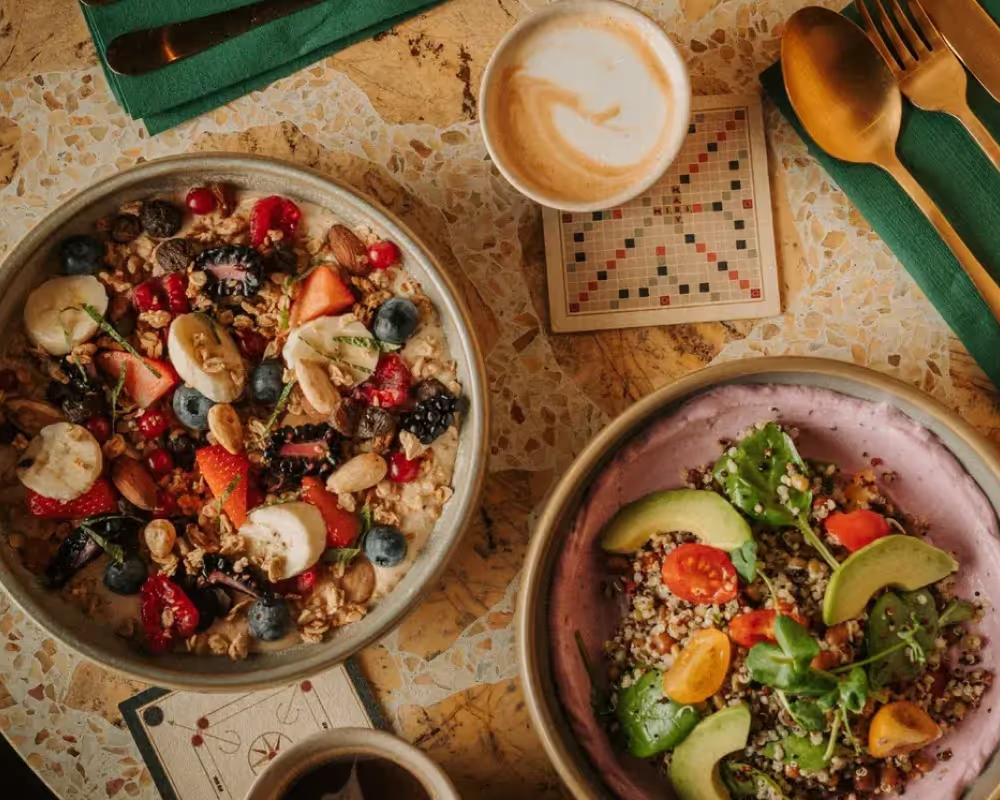
For a satisfying table, think beyond the number of dishes. Look for different textures and roles: a lentil or bean dish for depth, a vegetable-led plate, bread or rice, and something fresh, sour or crisp to break up richer flavours.
Vegetarian Does Not Automatically Mean Vegan
The ingredients most worth checking are ghee, butter, paneer, yoghurt, cream and milk. Some sauces, breads, marinades and desserts can include them even when the main ingredient is a vegetable or pulse.
If you are vegan, say so clearly when ordering. If you have an allergy rather than a dietary preference, tell the restaurant specifically; vegan and allergen-safe are not interchangeable terms.
How to Build a Better Plant-Forward Sharing Table
A common mistake is ordering several dishes that all have a similar soft texture or rich sauce. Instead, build contrast. Combine something saucy with something grilled or crisp, add rice or bread according to the dishes you choose, and include acidity or freshness.
Sharing is especially useful for mixed groups because the whole table does not need to follow the same diet. Our guide to how Indian sharing plates work explains how to order without overloading the table.
Planning a vegetarian or vegan meal at home? Check the current pickup options in De Pijp for available dishes and collection times. Confirm ingredients and any requested changes with the team before ordering; a vegetarian label does not by itself mean a dish is vegan.
Questions Worth Asking Before You Order
Instead of asking only “Is this vegan?”, useful follow-ups include: Does the sauce contain dairy? Is the bread brushed with butter or ghee? Can the dish be prepared without yoghurt or cream? Is a modification practical without changing the dish completely?
Check the current Miri Mary menu before visiting, but confirm dietary details with the team because recipes and menus can change.
Mixed Groups, Brunch and Dinner
Plant-forward dining becomes particularly useful when a table includes different preferences. Rather than splitting the group into separate meals, sharing lets people choose compatible dishes and add others around them.
For larger tables, the group dining and events information is the better place to start. For daytime plans, check the current brunch details; for an evening meal, see dinner.
Dietary Preference vs Allergy
This distinction matters. A vegetarian or vegan preference tells the kitchen what ingredients you choose not to eat. An allergy or intolerance can require different handling and cross-contact precautions. Always communicate an allergy directly rather than relying on a vegan or vegetarian label.
Explore More
- Current Menu — check what is being served now
- Lighter Indian Food Choices — a separate guide to balancing a meal
- Indian Sharing Plates — how to build a table for several people
- Groups & Events — useful for larger mixed-diet tables
About this guide
Written by the Miri Mary team and updated in August 2026. Dietary information can change with recipes and menus; confirm current ingredients and communicate allergies directly before ordering.
Check the Current Menu
Use this guide to know what to ask, then check the current menu and speak with the team about vegetarian, vegan or allergy requirements.
View the Menu →Related guides for your visit


%202.avif)