
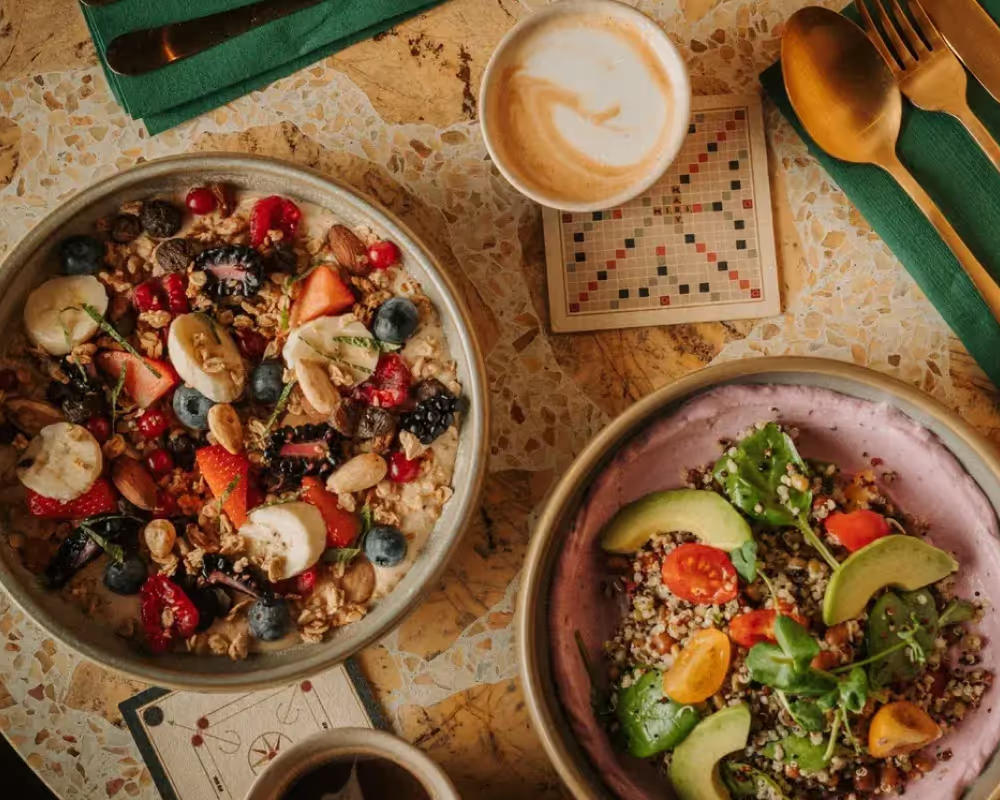
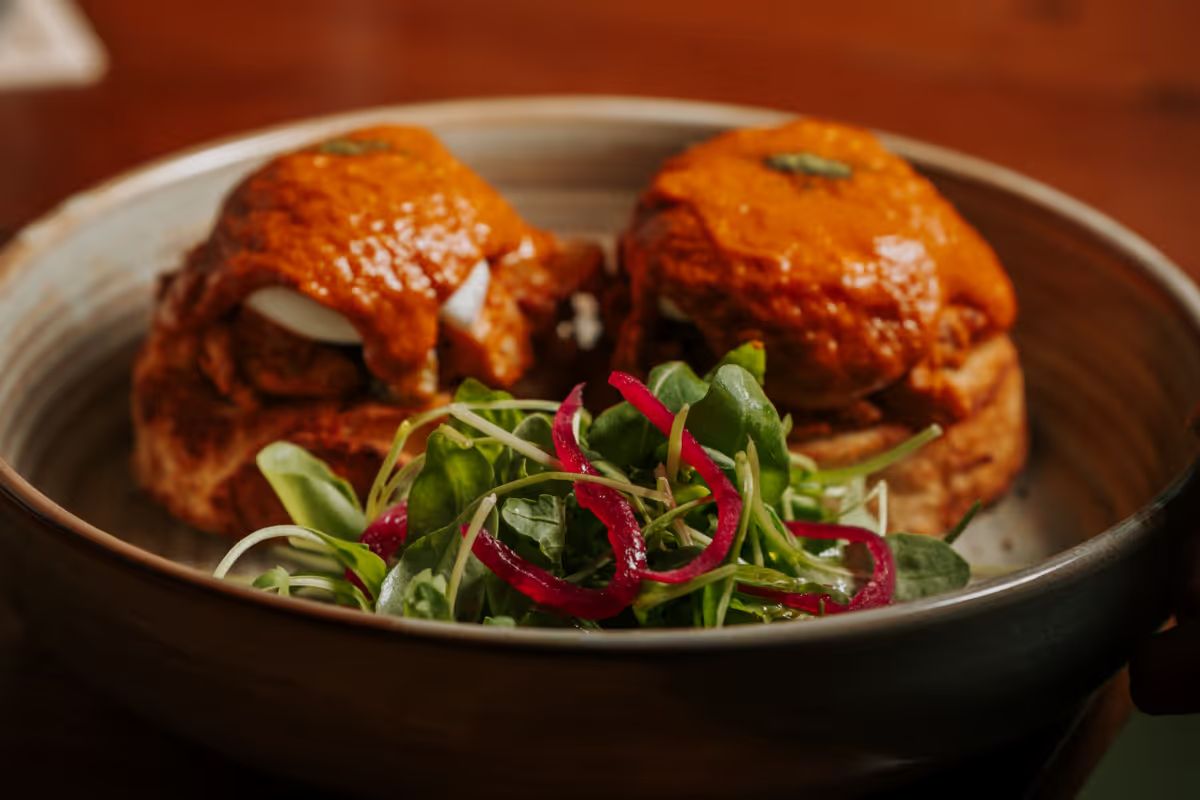


A good shared brunch is not about creating a bespoke menu or customising every dish. It is about choosing a group of plates that work together. Contrast in flavour, texture and richness makes the table more interesting, while sensible portions leave room to add something later.
This guide explains how diners can build a flexible order from the current Miri Mary brunch menu. Dishes and availability can change, so treat the method as a framework rather than a fixed combination.
Start With the Size of the Table
Two people need fewer components than a table of four or six. Begin with a compact first order rather than trying to cover every menu section. Sharing works best when everyone gets more than a token taste but the table is not crowded with similar dishes.
For a small table, choose two or three contrasting plates. A larger group can add more variety, but should still avoid ordering several dishes that perform the same role.
Choose Contrasting Textures
Texture creates momentum across a shared meal. Combine something crisp with something soft, saucy or slow-cooked. A fermented or bread-based element can provide structure, while chutneys, pickles or fresh accompaniments create sharper contrast.
The aim is not to tick boxes mechanically. It is to avoid a table where everything is fried, creamy or bread-heavy.
Balance Bright and Rich Flavours
Rich dishes often feel more satisfying beside acidity, herbs, vegetables or a lighter accompaniment. Likewise, several bright or snackable plates may need something more substantial to make the meal complete.
Indian cooking offers many forms of contrast: smoke and yoghurt, chilli and sweetness, slow-cooked lentils and crisp vegetables, or bread alongside something tangy.
Include a Vegetable-Led Choice
A vegetable-led plate should contribute genuine flavour and substance rather than functioning as decoration. It can bring char, spice, freshness or texture and make the whole order more varied.
Check the live menu for current vegetarian and vegan labels, and speak with the team when an allergy or dietary requirement matters.
Choose Bread or Rice With Purpose
Bread and rice help carry sauces and bring dishes together, but ordering several portions automatically can overwhelm a smaller table. Start with what suits the first round and add more if required.
Fermented batters, breads and rice also offer different textures, so consider what the other dishes need rather than treating every carbohydrate as interchangeable.
Order in Stages
A flexible table does not require the restaurant to create a custom menu. The diners create flexibility by beginning with a sensible combination, seeing how the portions work and adding another plate only when needed.
- First round: contrast, variety and enough food to begin comfortably.
- Second round: fill a clear gap—something brighter, more substantial or another bread.
- Final choice: dessert or another drink if the table wants to continue.
Handle Dietary Needs Before Ordering
Ask guests about allergies and dietary preferences before the meal. Tell the team clearly instead of relying on assumptions from dish names. A sharing format may need adjustment when cross-contact or separate service matters.
A Framework, Not a Bespoke Service
“Build your own” describes the way guests can make thoughtful choices from the available menu. It does not mean every ingredient or preparation can be customised. The current menu and restaurant team remain the source of truth.
Use contrast, portion awareness and clear communication to create a brunch table that feels varied without becoming complicated.


%202.avif)