
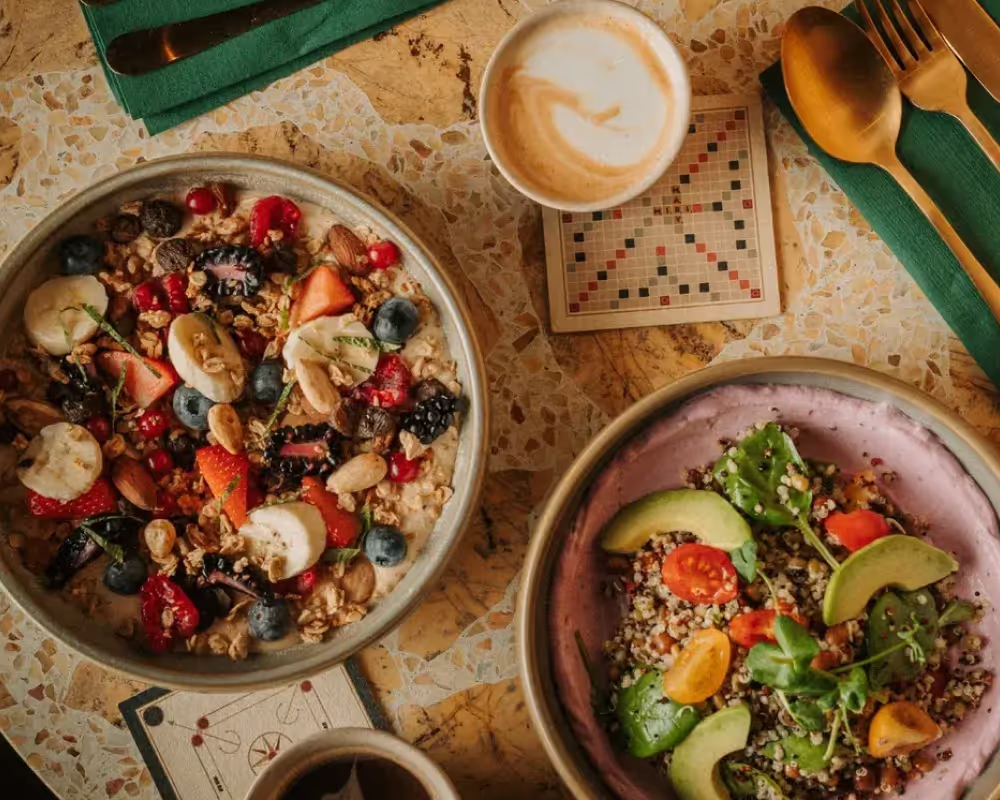
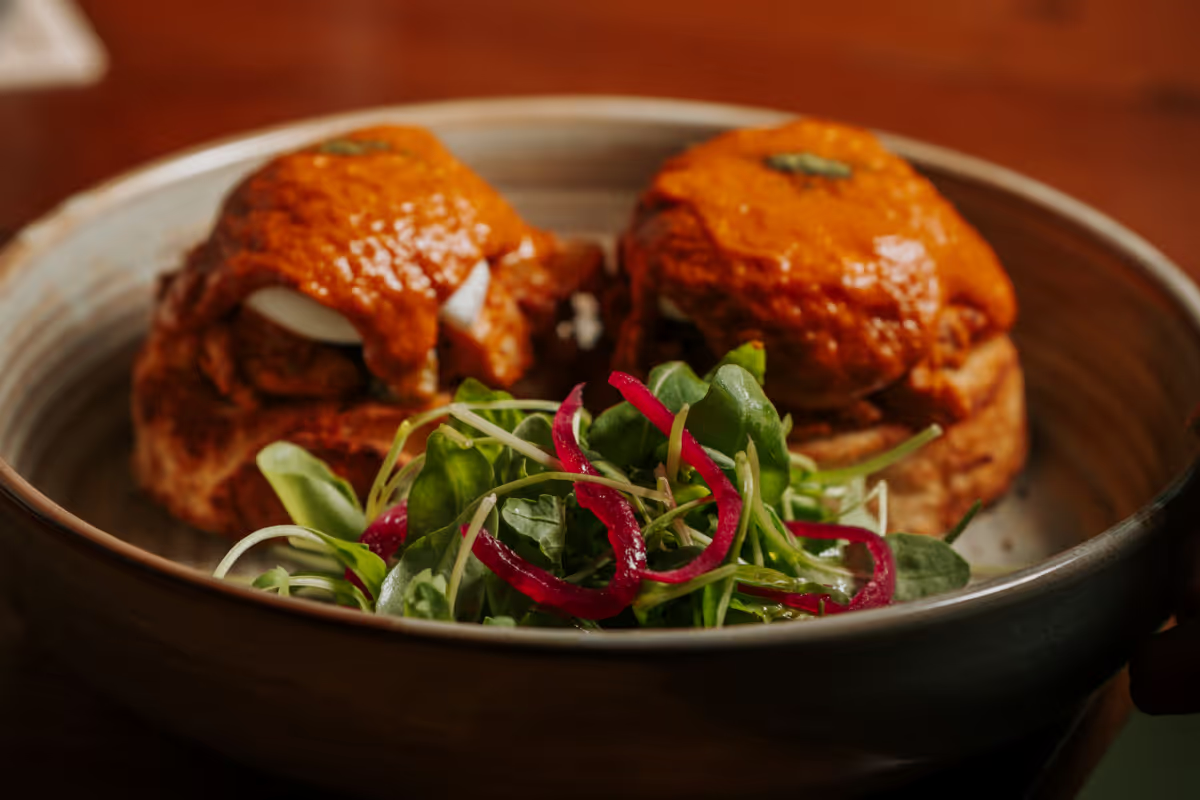
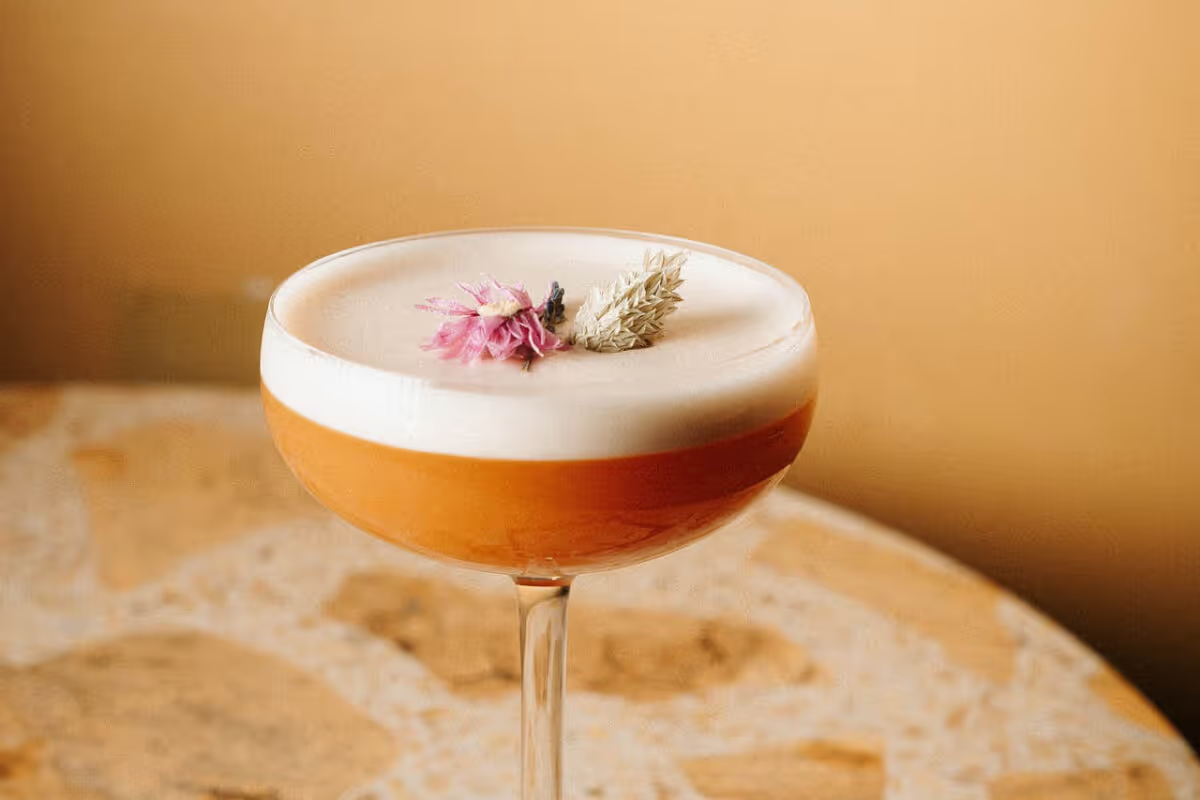

Lunch habits are changing for practical reasons: people have less time, groups have more varied preferences, and diners expect clearer information before choosing where to eat. The most useful restaurant trends are not short-lived novelties. They make lunch easier to plan, order and enjoy.
In Amsterdam, that often means finding a place that works for the time available, the size of the group and different dietary needs.
This guide looks at the lunch trends that are genuinely improving the experience for diners in 2026.
1. Clearer, More Flexible Menus
Diners want to understand what they can order without studying a complicated menu. Restaurants are responding with:
- Flexible portions: smaller and larger dishes that suit different appetites
- Clear dietary information: useful vegetarian, vegan and allergen guidance
- Balanced choice: vegetables, proteins, grains, breads and sharing dishes that can form a complete meal
2. Lunch Designed Around Limited Time
A weekday lunch may need to fit into an hour, while a weekend meal can unfold more slowly. Useful service changes include:
- Clear timing: helping guests understand what can be ordered quickly
- Efficient ordering: reducing unnecessary waiting without making the meal feel rushed
- Flexible formats: allowing a quick plate, a shared table or a longer lunch
3. More Global Flavours
Lunch menus increasingly move beyond familiar sandwiches and salads. Diners are more open to:
- Regional cooking: dishes shaped by specific culinary traditions rather than generic “fusion”
- Sharing plates: several flavours and textures across one meal
- Bold but balanced food: spice, acidity, freshness and richness used with purpose
4. Digital Convenience Without Losing Hospitality
Technology is useful when it removes friction rather than replacing human service. Examples include:
- Current online menus: helping guests check options before arriving
- Simple reservations: making it easier to plan around work, shopping or sightseeing
- Clear payment options: allowing groups to finish smoothly when time is limited
5. Group-Friendly Lunch Formats
Lunch groups often include different appetites and dietary preferences. Restaurants can make this easier through:
- Shareable dishes: allowing the table to try more than one flavour
- Vegetable-led choices: giving mixed groups substantial options beyond side dishes
- Adaptable ordering: building the meal gradually instead of over-ordering at the start
6. More Honest Sustainability Information
Diners are increasingly cautious about broad environmental claims. Better communication means:
- Specific examples: explaining what is sourced, reduced or changed
- Realistic language: avoiding claims that cannot be verified
- Visible progress: treating sustainability as ongoing work rather than a marketing label
7. Experience Still Matters
Convenience is important, but diners also choose restaurants for how the meal feels. Strong lunch experiences consider:
- Comfort: seating, noise and pace that fit the occasion
- Identity: a recognisable point of view rather than a menu built around every trend
- Hospitality: attentive service that helps guests make confident choices
Conclusion: The strongest lunch trends of 2026 are practical rather than superficial. Clear menus, flexible portions, global flavours, better planning and honest communication help diners choose a lunch that suits their time, group and appetite. Restaurants can evolve without losing their identity when each change genuinely improves the guest experience.
For current daytime service, hours and booking information, visit brunch and lunch at Miri Mary.


%202.avif)